Tracing the Influence of Diverse Funding Channels on Layered Incentive Distributions Within Virtual Reel Networks
Jonas Hartmann · Jun 17, 2026
Tracing the Influence of Diverse Funding Channels on Layered Incentive Distributions Within Virtual Reel Networks
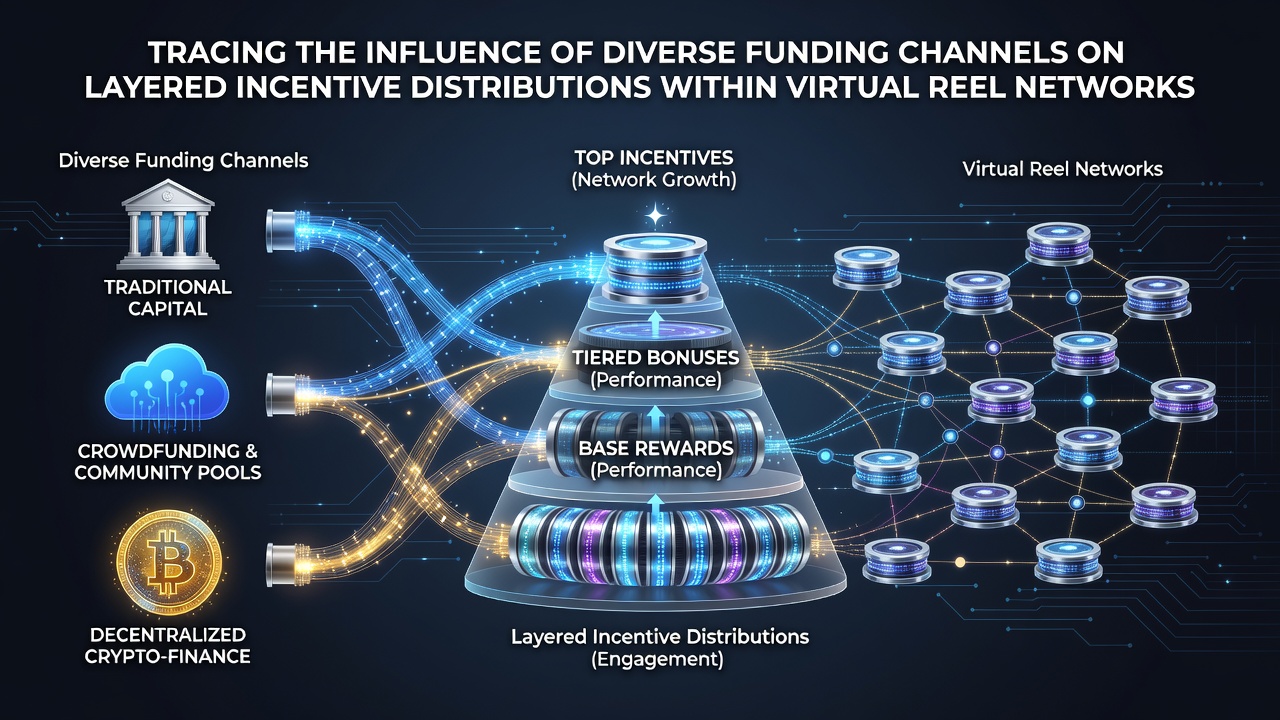
Virtual reel networks operate through interconnected platforms that deliver slot-style gameplay across mobile and desktop environments, and observers note how multiple funding streams shape the way rewards get allocated at different levels. Player deposits form one primary channel while advertising partnerships, subscription models, and third-party sponsorships add further layers that operators route into incentive pools, creating structures where base rewards sit beneath tiered bonuses that unlock progressively.
Analysts tracking these systems point out that direct deposits often feed immediate cashback mechanisms and daily login incentives, whereas revenue from in-game advertising tends to support longer-term loyalty structures such as milestone achievements and seasonal events. This separation allows networks to maintain steady engagement without drawing exclusively from player funds, and studies from European iGaming research groups have documented how diversified inflows reduce volatility in reward availability during slower revenue periods.
Mapping Primary Funding Sources and Their Distribution Paths
Operators integrate deposit-based funding directly into core reel mechanics so that a percentage returns through matched bonuses or free spin allocations that appear at the first incentive layer, yet additional channels such as brand sponsorships route into secondary tiers reserved for high-volume participants. Data compiled by Canadian provincial gaming authorities shows that networks relying on mixed funding reported steadier incentive payouts across quarterly cycles compared with those dependent on deposits alone, particularly when external partnerships covered marketing costs that would otherwise reduce reward budgets.
Subscription services add another dimension because monthly fees generate predictable income that networks earmark for exclusive content drops and personalized reel modifiers, and these benefits stack atop standard reward flows without competing for the same deposit-derived reserves. Industry reports released in early 2026 highlighted platforms that separated subscription revenue into distinct pools, resulting in clearer audit trails for regulators monitoring how incentives reach different user segments.
Layered Incentive Structures Shaped by Channel Diversity
Networks typically organize incentives into visible strata where entry-level rewards derive from aggregated micro-transactions while mid-tier perks draw from advertising and sponsorship streams that accumulate over time. Upper layers often incorporate hybrid funding that blends player activity metrics with external contributions, allowing operators to offer premium features such as accelerated progression or custom reel themes that require sustained funding stability. Researchers examining transaction logs from multiple jurisdictions found that platforms using at least three distinct channels maintained more consistent distribution schedules, avoiding the sharp cutbacks observed when single-source models encountered seasonal dips.
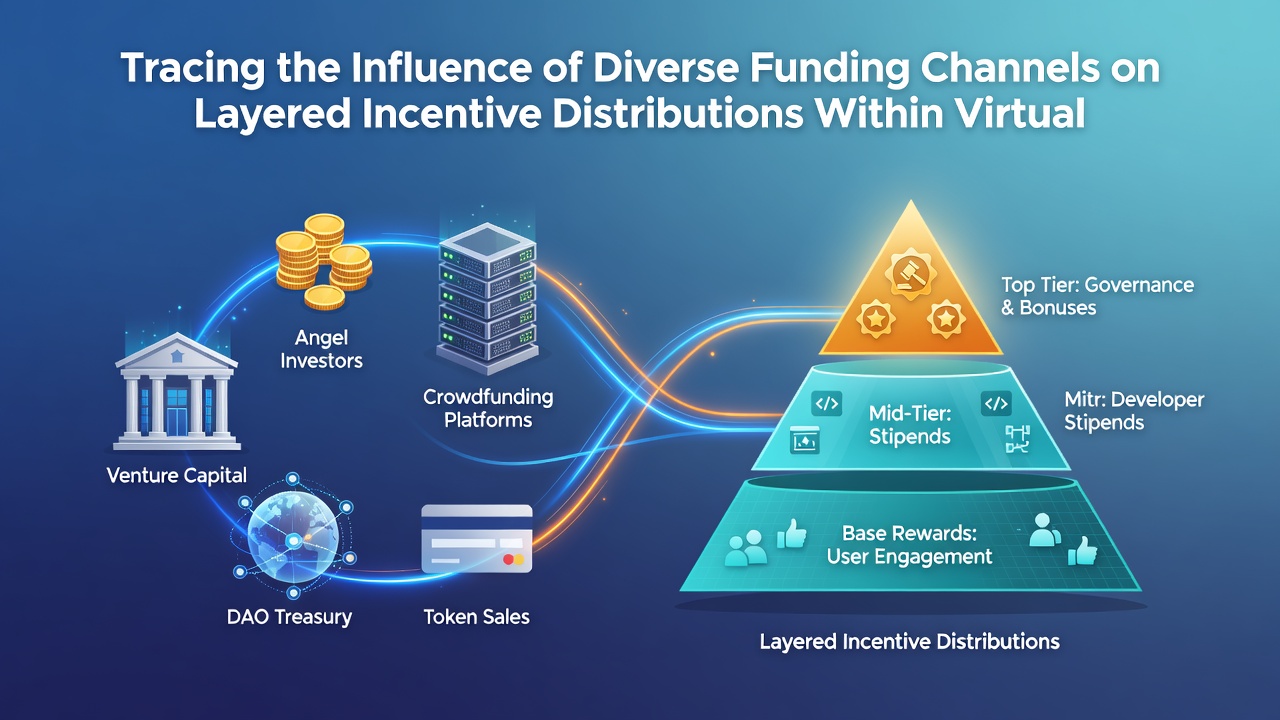
June 2026 brought new reporting requirements in several regulated markets that compelled operators to disclose the proportional contribution of each funding channel to specific incentive tiers, and compliance data released shortly afterward indicated improved transparency around how advertising dollars translated into player-facing rewards. These disclosures revealed that networks allocating sponsorship revenue exclusively to loyalty milestones achieved higher retention figures than those mixing all sources indiscriminately, according to aggregated figures from Australian state gaming commissions.
Regulatory Oversight and Transparency Mechanisms
Regulators across North America and parts of Asia have begun requiring detailed mapping of funding origins to incentive outputs, which forces networks to implement segmented accounting practices that track each channel separately before aggregation occurs at the distribution stage. Such measures emerged partly in response to concerns over cross-subsidization where high-margin advertising income might otherwise mask shortfalls in player-funded reward pools, and verification protocols now include periodic third-party audits that examine allocation ratios rather than total payout percentages alone.
One documented case involved a mid-sized operator that restructured its virtual reel offerings after regulatory review showed disproportionate reliance on deposit funding for all tiers, prompting a shift toward dedicated sponsorship streams for VIP-level incentives that stabilized distribution during market fluctuations. Observers tracking these adjustments note that similar realignments have appeared in other networks seeking to meet emerging standards for financial segregation within incentive systems.
Conclusion
Diverse funding channels continue to reshape how virtual reel networks construct and sustain layered incentive distributions, with deposit streams supporting immediate rewards while advertising, subscriptions, and partnerships underwrite progressive tiers that reward sustained participation. Regulatory developments through mid-2026 have accelerated demands for clearer accounting separation, producing data sets that illustrate measurable differences in stability and transparency when multiple sources feed distinct incentive layers. These patterns suggest ongoing evolution in network architecture as operators adapt allocation models to satisfy both player expectations and oversight requirements across jurisdictions.