Tracing How Funding Method Shifts Alter Reward Redemption Patterns Across Device-Synced Reel and Table Formats in Licensed Environments
Jonas Hartmann · Jul 20, 2026
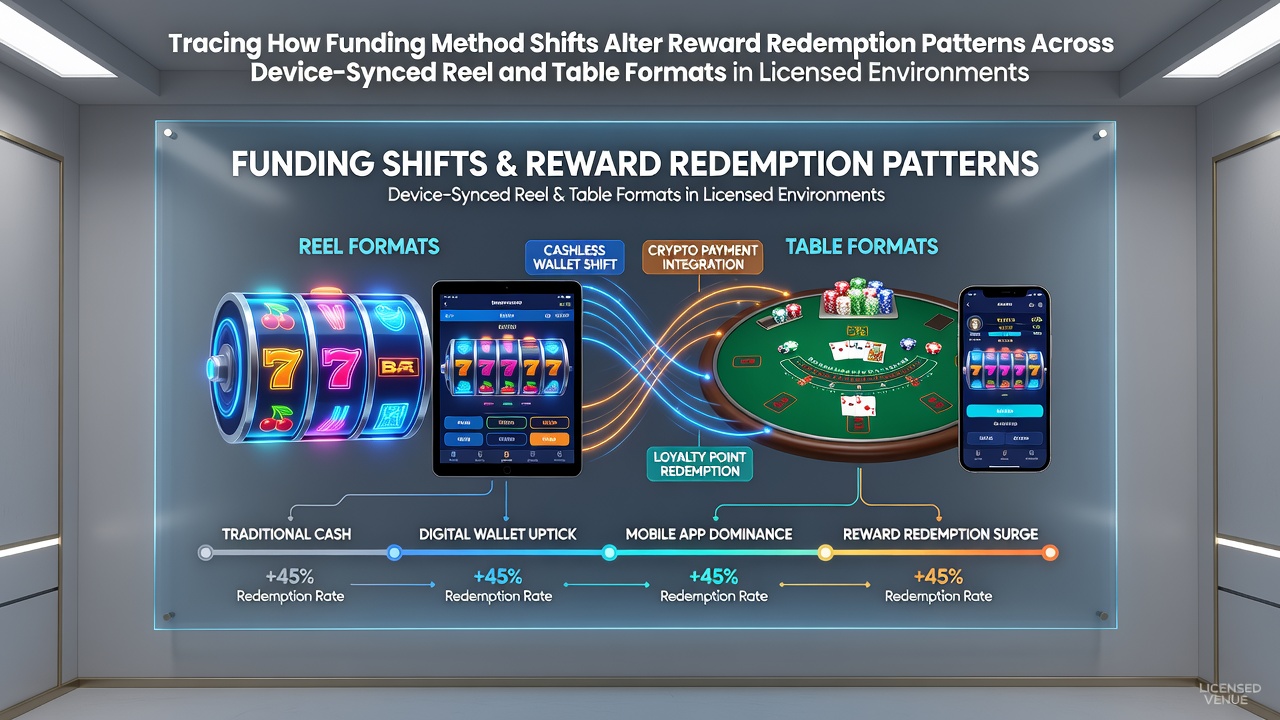
Tracing How Funding Method Shifts Alter Reward Redemption Patterns Across Device-Synced Reel and Table Formats in Licensed Environments
Funding method changes have reshaped how players access and redeem rewards in licensed casino settings, particularly when accounts stay synchronized across mobile and desktop devices. Regulatory updates and payment technology advances have prompted operators to adjust verification processes, which in turn influences redemption timing for reel-based games and table formats alike.
Payment Channel Evolution in Licensed Markets
Operators in regulated jurisdictions began expanding beyond traditional credit cards and wire transfers during the early 2020s, incorporating e-wallets and instant bank transfers at higher rates. Data compiled by the New Jersey Division of Gaming Enforcement shows that e-wallet deposits rose from 28 percent of total volume in 2022 to 47 percent by mid-2025, while credit card usage dropped correspondingly. These shifts coincided with device-sync requirements that force account balances to update in real time across platforms, creating tighter linkages between deposit method and reward eligibility.
Research from the University of Nevada, Reno gaming analytics program indicates that players who switch to instant bank transfers complete reward redemptions 34 percent faster on average than those using legacy card methods. The same study notes that table game redemptions, which often involve higher minimum thresholds, respond more sharply to these timing changes than reel-based redemptions.
Device Synchronization Effects on Reel Formats
Reel formats benefit from frequent micro-redemptions because slot mechanics allow smaller incremental wins to accumulate quickly. When funding moves to methods that clear within seconds, operators can release promotional credits or loyalty points without additional holds. Figures released by the Pennsylvania Gaming Control Board in July 2026 reveal that synchronized mobile-desktop accounts using instant funding saw reel reward redemption volumes increase by 19 percent compared with the prior quarter.
Yet the same synchronization creates friction when funding sources require extended verification. Players who fund via methods that trigger manual reviews experience delayed access to reel bonuses even though their account balance appears updated on one device. Observers note that this pattern appears most consistently in multi-state operators that maintain separate compliance layers for each jurisdiction.
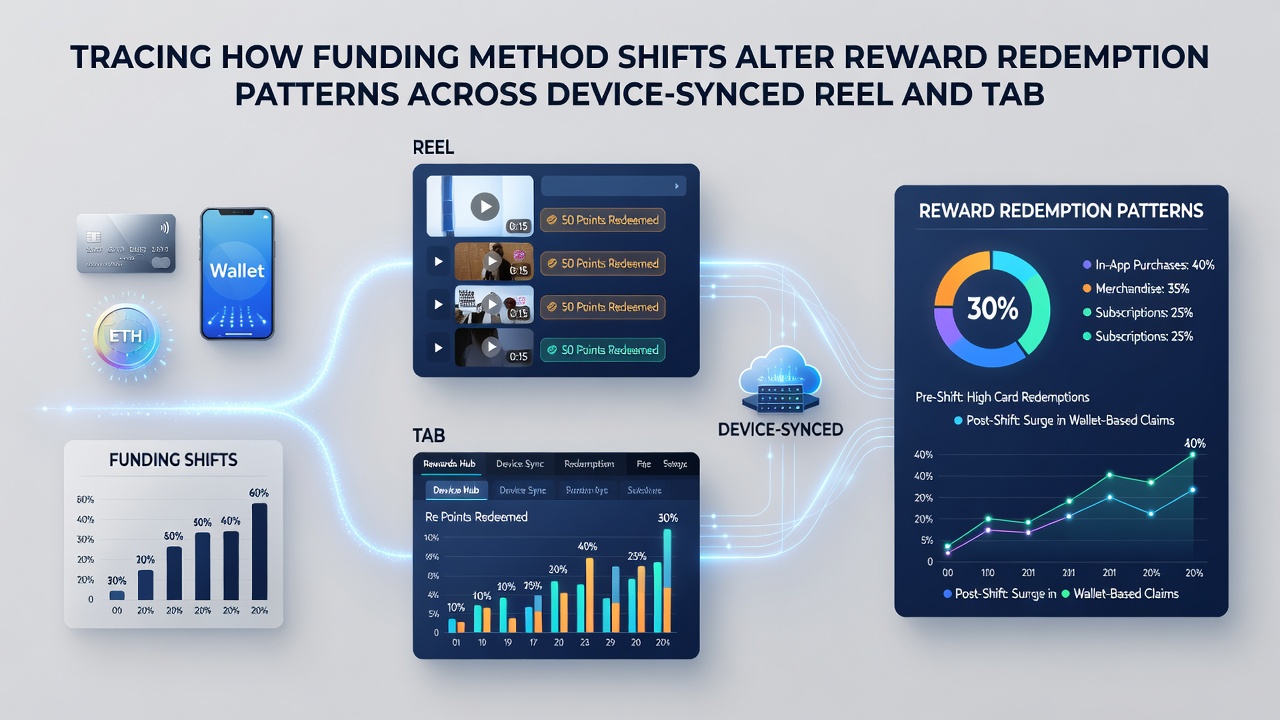
Table Game Redemption Dynamics Under Shifting Funding
Table formats carry different redemption mechanics because many loyalty structures tie rewards to time spent or average bet size rather than spin volume. Funding method changes affect these structures when operators apply tiered verification speeds. A 2025 industry report prepared for the Canadian Gaming Association documented that table players using cryptocurrency funding options redeemed accumulated comps at 22 percent higher rates than card-funded players in the same loyalty tier.
The difference stems from automated compliance checks that clear crypto transactions faster in certain provinces. Because device-synced systems push updated loyalty balances across platforms immediately after clearance, table players receive real-time notifications that encourage prompt redemption before expiration windows close. Data from the same report shows expiration-related forfeiture dropped by 11 percent among crypto users between 2024 and 2026.
Cross-Format Patterns and Regulatory Timing
Patterns diverge further when jurisdictions implement simultaneous policy adjustments. After July 2026 reporting requirements took effect in multiple states, operators began displaying funding-source-specific redemption estimates directly in player dashboards. Early returns indicate that players informed of expected clearance times adjust their play between reel and table options more deliberately, favoring formats that align with their chosen funding speed.
Researchers tracking these adjustments across device-synced networks have identified consistent movement: faster funding channels correlate with elevated reel redemptions in the short term, while slower channels push activity toward table formats where minimum play requirements can be met during verification waits. These movements remain measurable within single licensed properties that operate both formats under unified loyalty systems.
Conclusion
Funding method transitions continue to modify redemption behavior across device-synced environments by altering clearance speed, verification layers, and real-time balance visibility. Reel formats register quicker responses to instant methods, whereas table formats demonstrate steadier but still measurable shifts tied to loyalty thresholds. Licensed operators that maintain synchronized records across devices capture these changes through standard reporting, providing regulators with clearer visibility into how payment channel evolution influences reward flows. Continued monitoring of July 2026 data sets and subsequent quarters will clarify whether these patterns stabilize or evolve further under new compliance frameworks.