The Dynamics of Transaction Methods Affecting Spin Offer Eligibility Across Secure Platforms
Devon Schmitz · Jul 8, 2026
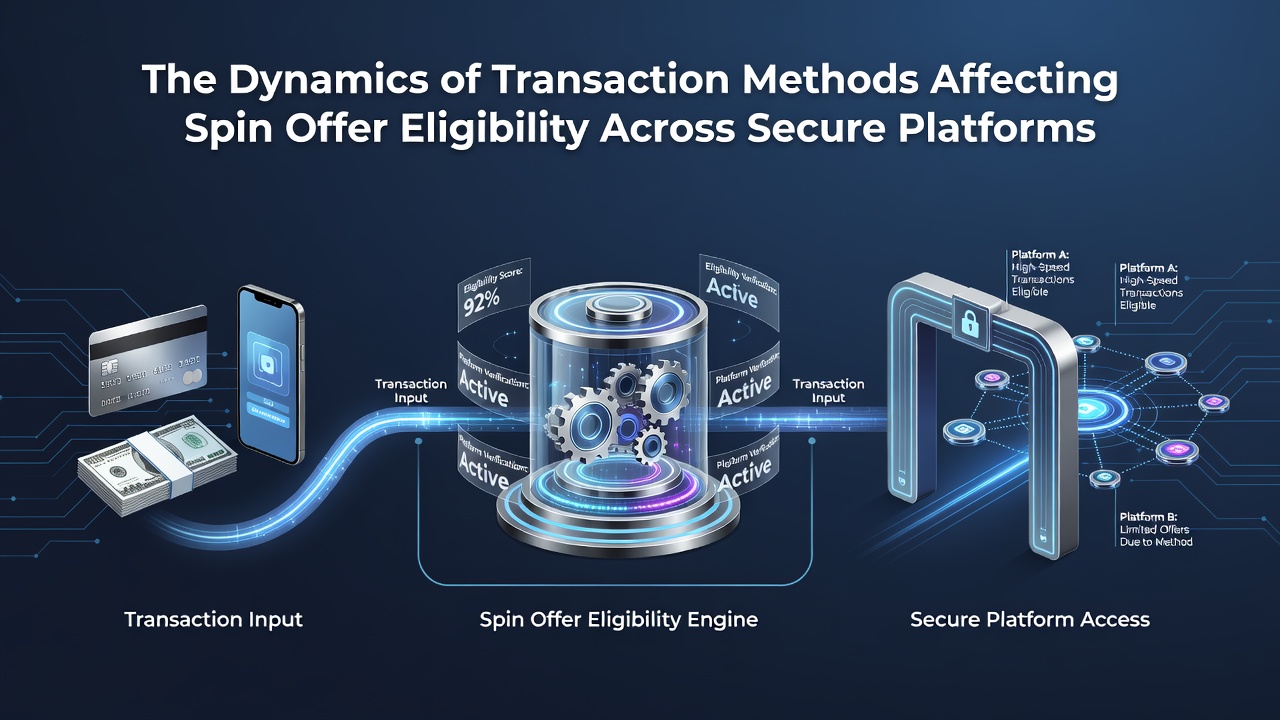
The Dynamics of Transaction Methods Affecting Spin Offer Eligibility Across Secure Platforms
Transaction methods play a direct role in determining which users qualify for spin offers on secure platforms, and patterns emerge clearly when payment types interact with verification systems. Credit card deposits often trigger immediate eligibility reviews because issuers provide transaction data that platforms cross-check against security protocols, whereas e-wallet transfers sometimes require additional layers of confirmation before spin credits activate. Bank transfers move slower through these checks, yet they frequently satisfy eligibility thresholds once cleared because their traceable nature aligns with platform security standards.
Payment Type Variations and Eligibility Triggers
Secure platforms categorize transaction methods by risk profiles that influence spin offer access. Cryptocurrency deposits, for instance, pass through blockchain verification that some systems treat as high-security markers, leading to quicker approval for promotional spins when wallet addresses match prior activity records. Traditional wire services, by contrast, introduce delays that extend the window before eligibility confirms, although they rarely disqualify users outright once funds settle.
Observers note that debit card usage splits outcomes depending on issuer policies, with certain banks flagging repeated small deposits as potential bonus farming attempts that platforms then restrict from spin rewards. Data from July 2026 shows platforms adjusted these filters after regulatory updates in multiple jurisdictions required stricter source-of-funds documentation for all methods.
Security Protocols and Method-Specific Filters
Layered authentication requirements tie directly to transaction channels on regulated networks. Platforms embed rules that grant spin eligibility only after a deposit clears both fraud detection and account linkage steps, and methods like prepaid cards often hit blocks because they lack full identity ties. Researchers at academic institutions tracking iGaming patterns found that platforms using multi-factor checks on every incoming transfer reduced ineligible spin claims by measurable margins compared with less stringent setups.
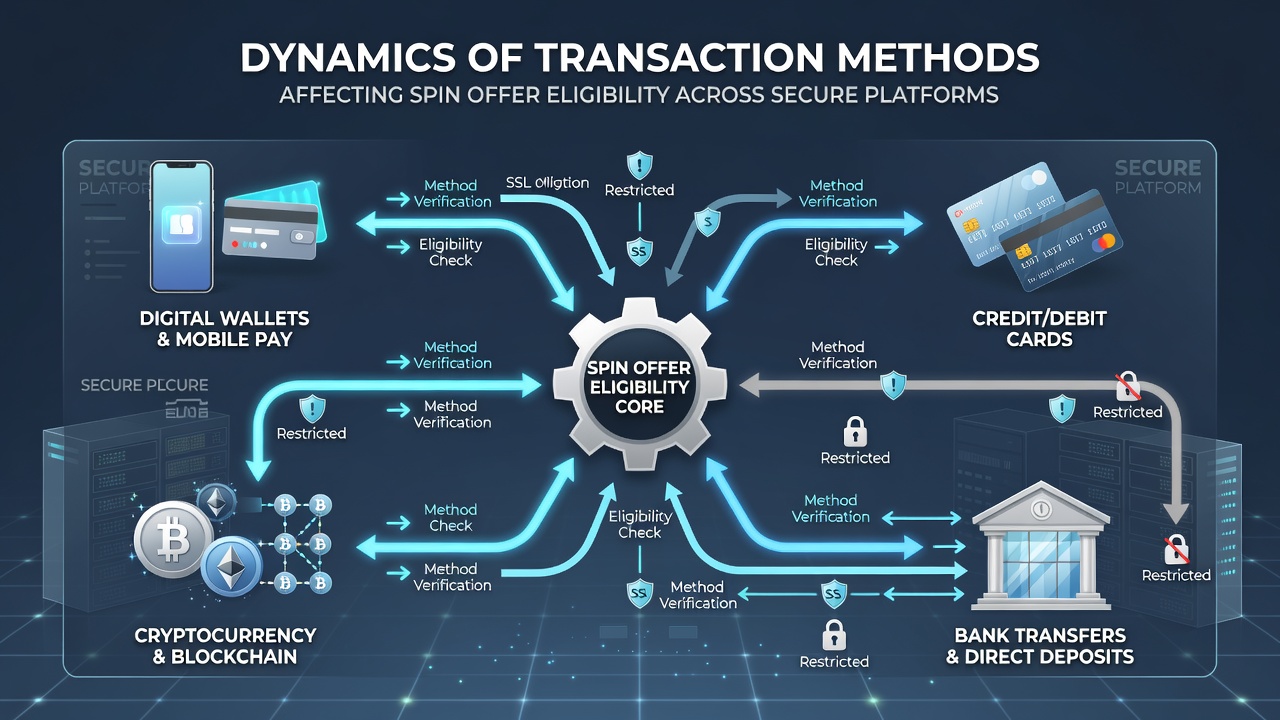
Those who've examined platform logs report that instant funding options such as certain digital wallets receive priority processing because their real-time confirmation feeds directly into eligibility algorithms. Slower methods demand manual review queues that push spin activation dates further out, even when the underlying transaction meets every security criterion.
Regional Policy Impacts on Method Eligibility
July 2026 brought fresh compliance layers in several North American markets that reshaped how transaction methods feed into spin eligibility. Platforms operating under iGaming Ontario guidelines began requiring documented payment histories for all deposit types before any promotional spins could issue, and this change affected users relying on newer payment apps more than those using established bank channels. Similar adjustments appeared in other regulated zones where authorities emphasized transaction transparency over speed.
Industry reports from the American Gaming Association highlight that operators refined their systems to match these regional mandates, resulting in clearer distinctions between qualifying and non-qualifying methods across device-synced networks. Users who maintain consistent payment profiles across sessions encounter fewer interruptions in spin access because repeated successful transactions build eligibility history within the platform's secure framework.
Processing Speed and Offer Activation Windows
Time-sensitive spin offers depend heavily on how quickly each transaction method completes its verification cycle. Faster options often align with promotional windows that close within hours of deposit, while slower channels push users past those cutoffs even though the method itself remains approved. Platforms publish these timing differences in their terms so users understand which payment routes preserve eligibility for time-limited spins.
Evidence from operational data indicates that platforms offering hybrid verification, where initial small deposits via any method unlock basic eligibility before larger amounts receive full review, maintain higher retention of spin-related activity. This approach balances security needs with practical access across varied transaction types.
Conclusion
Transaction methods continue to shape spin offer eligibility through their interaction with security layers, processing timelines, and regional compliance rules that platforms enforce uniformly. Patterns observed in July 2026 demonstrate that operators refine these connections as verification standards evolve, and users who select methods matching platform requirements experience smoother access to promotional spins. Continued monitoring of these dynamics reveals how payment infrastructure and eligibility logic remain tightly linked across secure environments.