Mapping Behavioral Analytics Influence on Customized Game Recommendations Within Regulated Virtual Casino Spaces
Parker Carter · Jun 8, 2026
Mapping Behavioral Analytics Influence on Customized Game Recommendations Within Regulated Virtual Casino Spaces
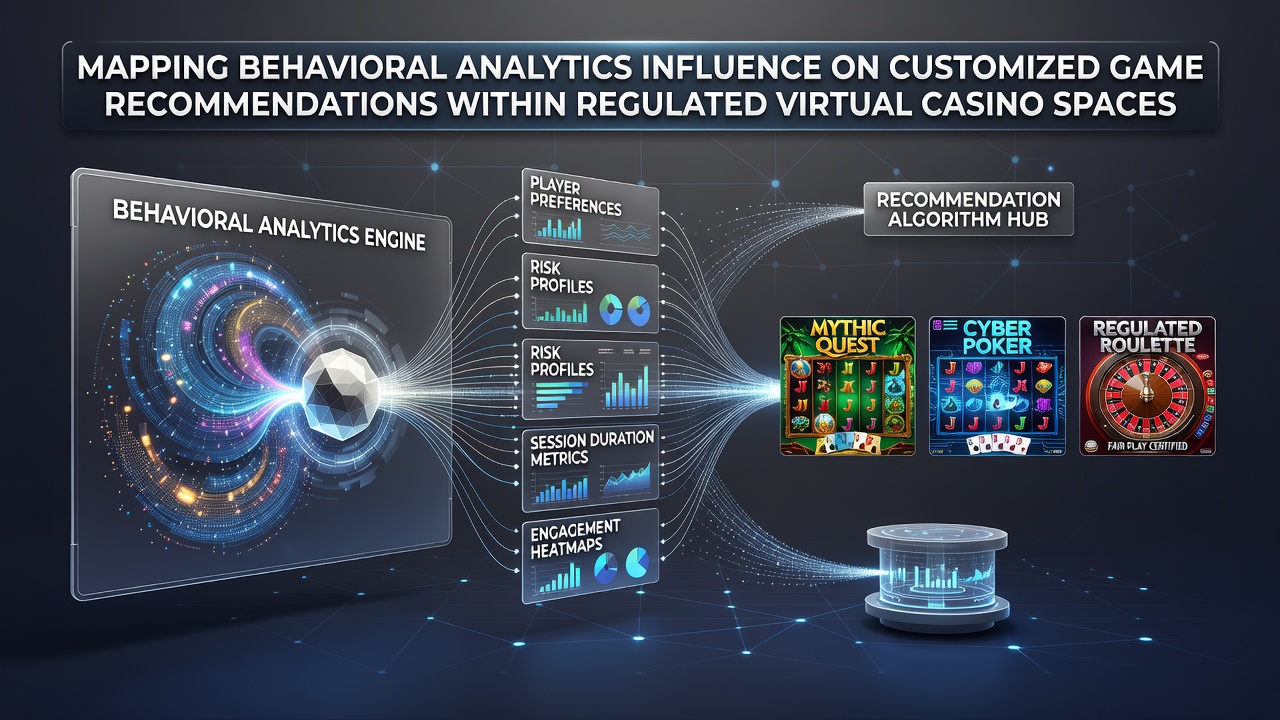
Behavioral analytics track player interactions across virtual casino platforms, mapping session durations, wager patterns, and game selection sequences to generate tailored recommendations, and regulators in multiple jurisdictions require these systems to operate within strict compliance frameworks that protect user data while maintaining operational transparency. Data collection begins the moment a player logs into a regulated app, logging metrics such as average bet size per spin, time spent on specific titles, and response rates to bonus prompts, which algorithms then process to suggest new games that align with observed preferences.
Data Inputs Driving Recommendation Engines
Session length and frequency form core variables, yet researchers also monitor secondary signals including device type, time-of-day activity peaks, and navigation paths through lobby menus, allowing platforms to refine outputs beyond simple genre matching. One study released in early 2026 by an academic team at the University of Nevada examined over 2 million anonymized sessions and found that incorporating volatility tolerance metrics improved recommendation acceptance rates by measurable margins, while similar work conducted through Canadian research networks confirmed parallel patterns in provincially licensed environments.
Regulated operators integrate these inputs into machine-learning models that prioritize responsible gaming thresholds, pausing suggestions when play patterns indicate extended sessions or rapid escalation in stake levels, and this approach satisfies oversight requirements set by bodies such as the Alcohol and Gaming Commission of Ontario. The models update continuously, pulling fresh data points to adjust suggestions within minutes rather than days, which keeps recommendations relevant even during short mobile sessions.
Algorithmic Mapping Processes
Collaborative filtering techniques compare individual profiles against aggregated cohort data, identifying clusters of players who favor high-volatility slots after low-stakes table games, whereas content-based methods focus on intrinsic game attributes such as reel count, bonus frequency, and payout distribution curves. Hybrid systems combine both approaches, producing ranked lists that appear in personalized lobby sections or push notifications, and these outputs undergo periodic audits to verify they do not steer users toward higher-risk options without clear disclosure.

Platform architects embed decision trees that weigh regulatory flags first, ensuring any recommendation respects jurisdictional rules around maximum stake reminders and self-exclusion lists before presenting options, and this sequencing prevents conflicts between commercial goals and compliance mandates. Observers note that June 2026 saw several North American operators publish transparency reports detailing how often algorithmic adjustments were triggered by responsible gaming protocols, revealing that roughly one in eight suggestion batches received modifications to align with harm-reduction criteria.
Regulatory Safeguards and Compliance Layers
Jurisdictions across the United States and Australia mandate regular third-party reviews of analytics pipelines, requiring operators to demonstrate that recommendation logic does not exploit cognitive biases or encourage chasing losses, and these reviews examine source code, training datasets, and live deployment logs. The Nevada Gaming Control Board, for instance, incorporates behavioral analytics oversight into its broader framework for interactive gaming, while Australian state regulators apply comparable standards through their respective licensing conditions.
Privacy statutes further shape data handling, limiting retention periods and mandating opt-in mechanisms for certain tracking features, which in turn influences the granularity of profiles available for recommendation engines. Platforms therefore segment datasets, storing only necessary attributes for immediate personalization while archiving broader logs under encryption protocols that satisfy audit trails.
Observed Outcomes Across Platforms
Operators report that refined recommendation systems correlate with longer retention windows when paired with clear session-limit tools, yet independent analyses emphasize that causality remains difficult to isolate because multiple variables affect player behavior simultaneously. Case examples from multi-state operators illustrate how adjustments made after regulatory feedback rounds led to measurable shifts in game discovery rates without increasing overall handle, suggesting the mapping process can support both engagement and compliance objectives when implemented carefully.
Conclusion
Behavioral analytics continue to shape customized game recommendations inside regulated virtual casino environments through layered data collection, algorithmic processing, and mandatory compliance checkpoints that evolve alongside technological capabilities and oversight expectations. Ongoing developments through mid-2026 indicate further integration of real-time regulatory signals into these systems, maintaining a balance between personalization precision and player protection standards across jurisdictions.