Interlinked Safety Measures and Their Bearing on Spin Offers in High-Tier Mobile Casino Programs
Jonas Hartmann · Jun 29, 2026
Interlinked Safety Measures and Their Bearing on Spin Offers in High-Tier Mobile Casino Programs
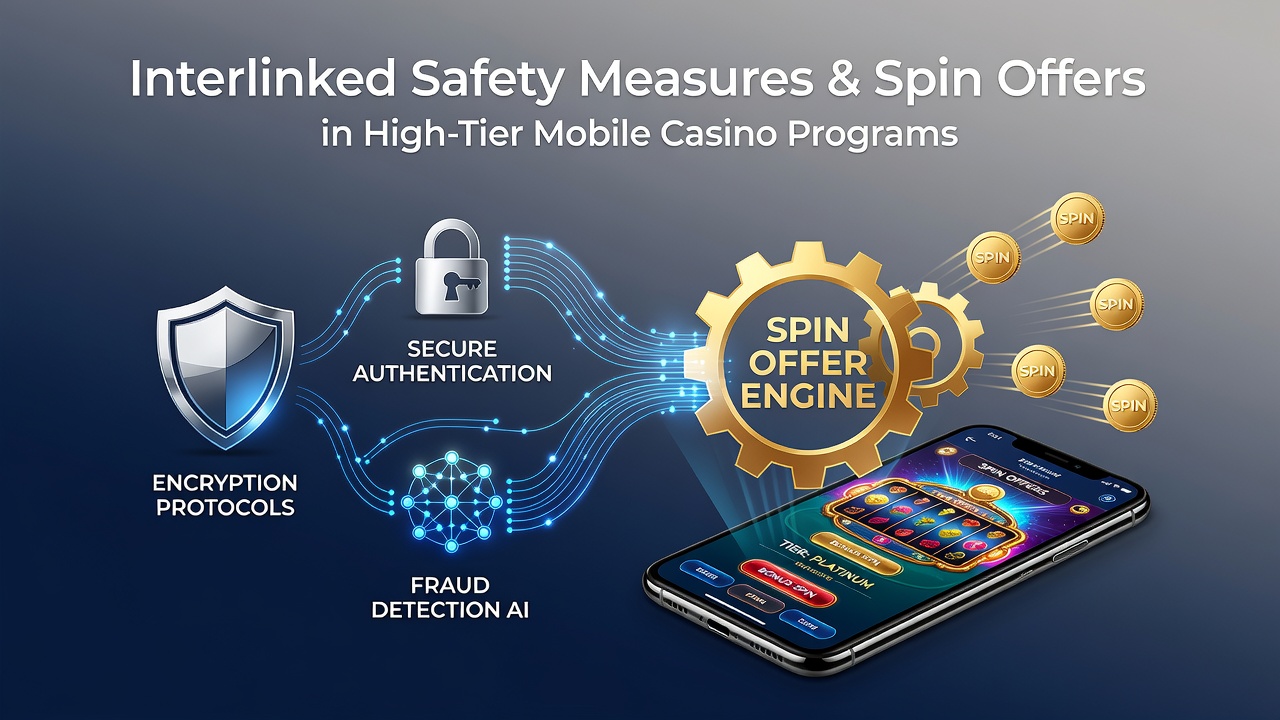
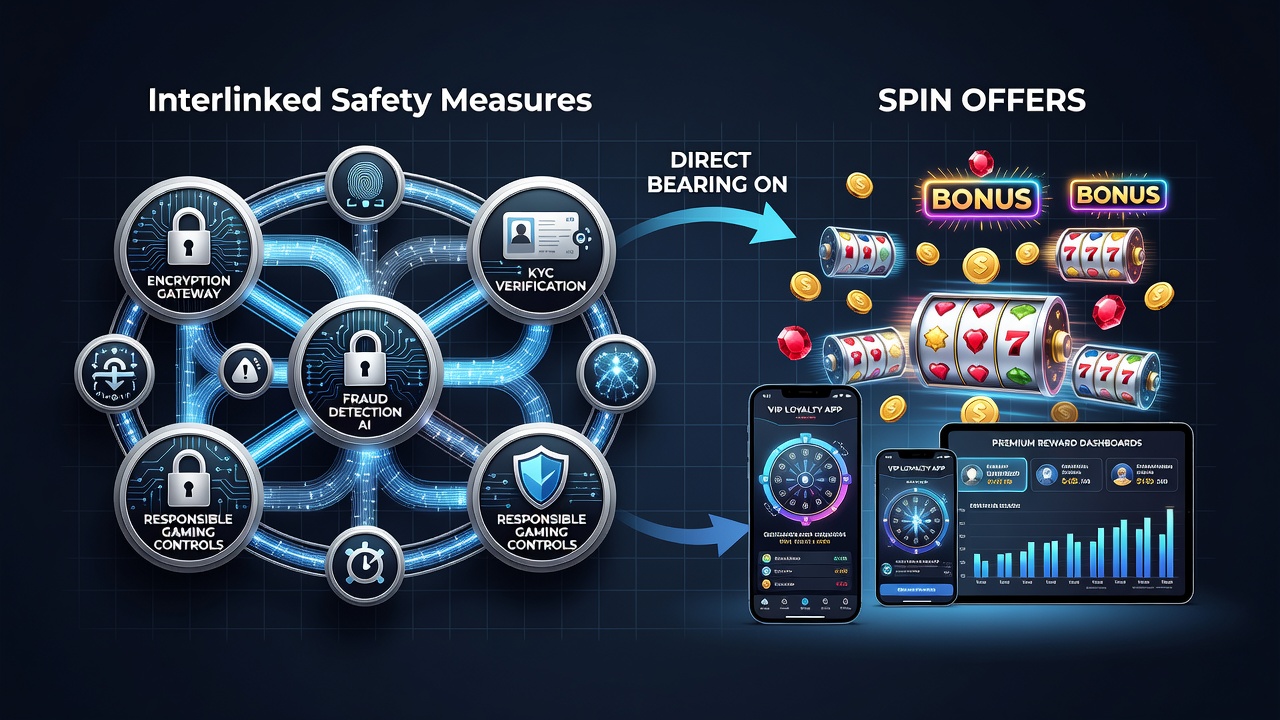
High-tier mobile casino programs integrate layered safety protocols that directly shape how spin offers reach verified users and these systems connect identity checks, transaction monitoring, and device authentication into unified frameworks that control reward eligibility across platforms.
Core Components of Interlinked Safety Architectures
Security layers in premium mobile casino applications combine biometric verification with real-time fraud detection algorithms, and these elements feed into centralized databases that track user activity across multiple sessions while cross-referencing data from payment processors and regulatory reporting systems. Developers embed encryption standards such as AES-256 alongside token-based session management so that any spin offer activation triggers automatic validation sequences that confirm both account status and device integrity before bonus spins activate.
Observers note that this interconnection prevents isolated failures because a single protocol breach alerts the entire network and suspends pending rewards until full audits complete. Data from industry reports indicate that programs employing these linked measures reduce unauthorized access attempts by measurable margins compared to standalone systems, and the same frameworks ensure spin offers distribute only to accounts that meet ongoing compliance thresholds.
Impact on Spin Offer Distribution and Eligibility
Spin offers in high-tier environments undergo automated scrutiny that evaluates player history, deposit patterns, and geographic compliance flags before release, and this process stems directly from the interconnected safety structure that links user profiles to external verification services. When a new offer launches, the system queries multiple databases simultaneously to confirm no prior violations exist, which means eligible users receive spins faster while flagged accounts face delays or exclusions until issues resolve.
Figures from regulatory filings show that mobile platforms with integrated protocols maintain higher rates of compliant reward fulfillment, and operators adjust offer parameters in real time based on risk scores generated by these linked tools. One documented case involved a tiered loyalty program where spin bonuses required sequential identity confirmations across app versions, resulting in streamlined access for verified high-volume players while maintaining strict separation from lower-tier accounts.
Regulatory Influences and June 2026 Developments
State and international gaming authorities require documentation of these interlinked systems during licensing renewals, and operators must demonstrate that safety connections do not create unintended barriers to legitimate reward access. In June 2026 several jurisdictions updated reporting templates to include detailed mappings of how verification layers interact with bonus engines, which prompted mobile programs to refine their architectures for clearer audit trails.
According to information released by the Nevada Gaming Control Board, updated guidelines emphasize traceability between security events and reward outcomes so that spin offers remain transparent under scrutiny. Similar directives from Australian state regulators highlight the need for synchronized monitoring across mobile networks to prevent reward manipulation through device spoofing or account sharing.
Technical Integration Examples Across Platforms
Developers at major providers synchronize API endpoints that connect fraud detection modules directly to spin allocation engines, and this setup allows instant halts on offers when anomalies appear in login locations or transaction velocities. Research from gaming technology consortia reveals that such integrations reduce processing times for compliant offers while expanding the scope of data points reviewed during each validation cycle.
Take one major platform that linked its biometric login system with reward servers in 2025, and the resulting architecture automatically adjusted spin quantities based on real-time risk assessments drawn from multiple safety layers. This approach maintained offer availability for established users without compromising the broader compliance framework that oversees all high-tier activities.
Future Trajectories for Linked Security and Rewards
Industry analyses project continued expansion of interconnected safety features into reward mechanics, with emphasis on predictive analytics that anticipate eligibility issues before users attempt to claim spins. These developments build on existing structures to create more responsive systems that balance security demands with efficient distribution of high-value offers.
Conclusion
Interlinked safety measures form the operational backbone that determines how spin offers function within high-tier mobile casino programs, and their coordinated design ensures compliance while directing rewards through verified channels. As platforms evolve, these connections continue to influence eligibility criteria, distribution speed, and overall program integrity across regulated environments.