Exploring Transaction Pathways That Determine Bonus Eligibility Across Mobile Gaming Interfaces
Jonas Hartmann · Aug 12, 2026
Exploring Transaction Pathways That Determine Bonus Eligibility Across Mobile Gaming Interfaces
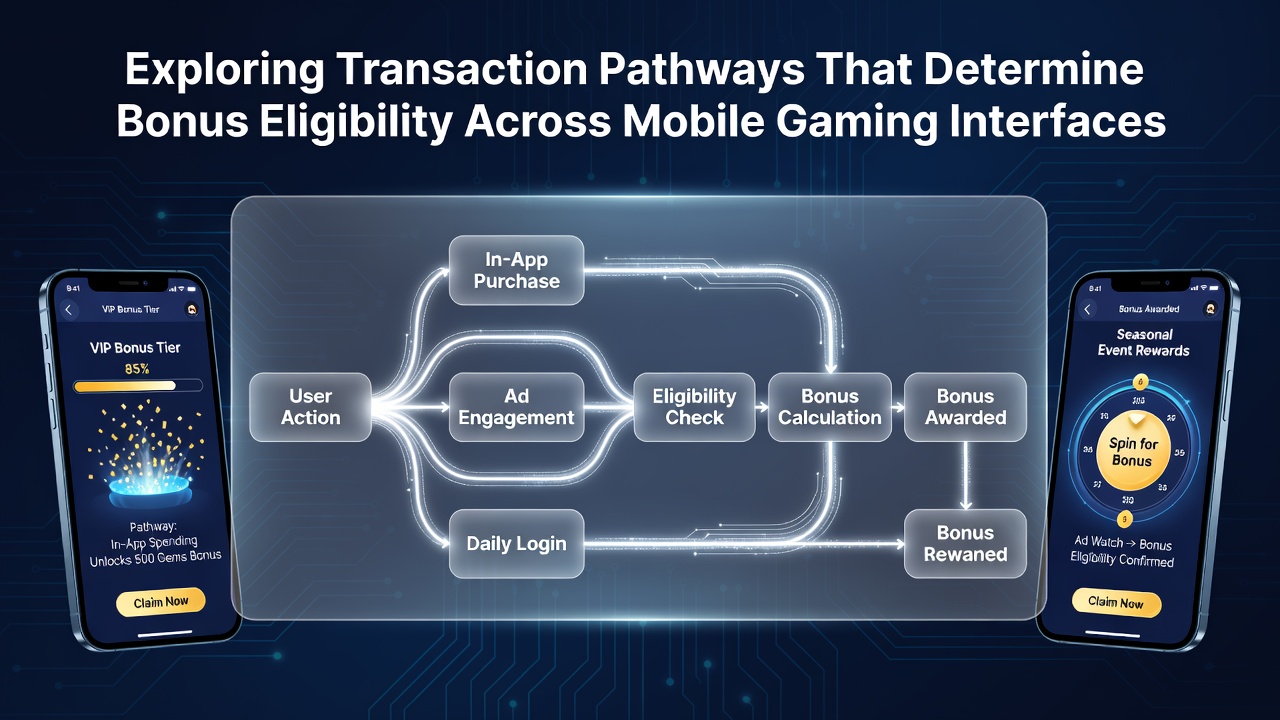
Transaction pathways in mobile gaming interfaces route user deposits and account activity through sequential verification stages that establish bonus eligibility, and these flows integrate payment processors with platform databases to confirm compliance with operator rules. Data from industry reports shows that eligibility often hinges on minimum transaction amounts, payment method categories, and account verification status, while real-time API calls assess prior bonus claims and regional restrictions before any reward activates.
Core Components of Transaction Routing
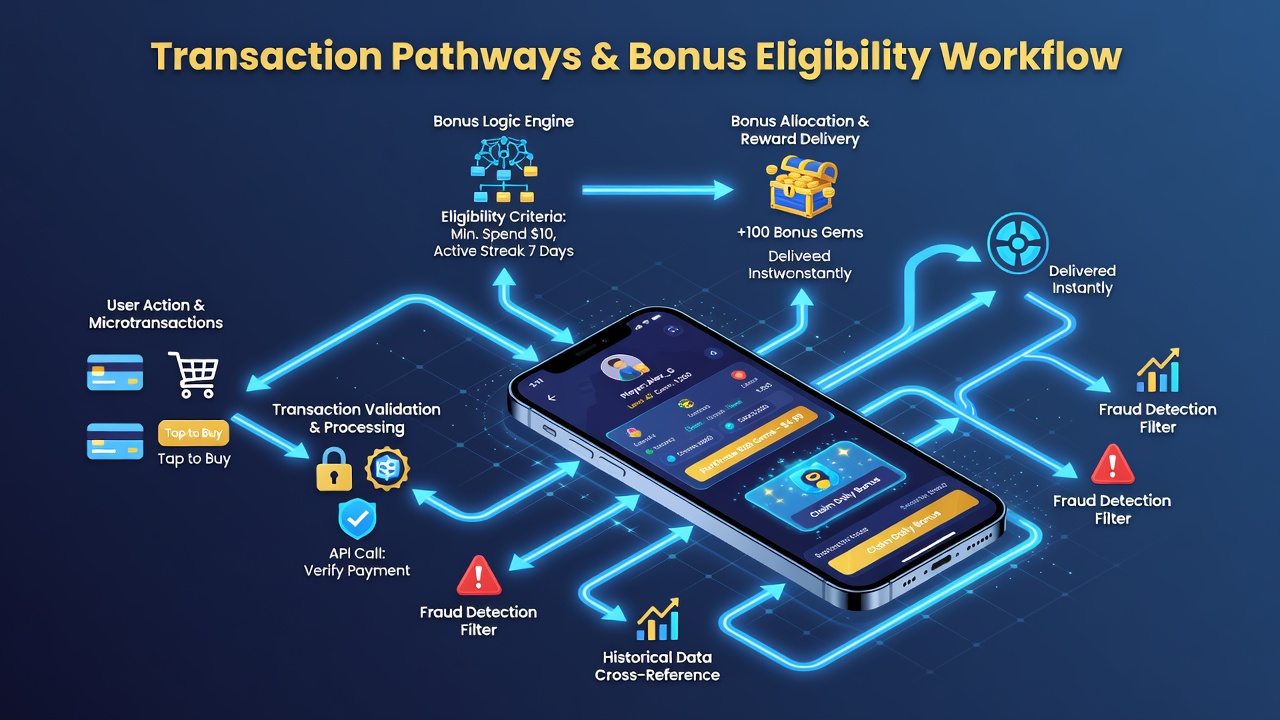
Payment gateways serve as the initial entry point when users select deposit options on mobile apps, and the system evaluates factors such as transaction speed, currency conversion rates, and processor fees before forwarding data to eligibility engines. Researchers at academic institutions have documented how these engines cross-reference user history with operator-defined criteria, including deposit frequency and total volume, to flag qualifying accounts. In August 2026 several platforms updated their routing protocols to incorporate additional fraud detection layers that scan for patterns linked to bonus abuse, and this adjustment affected eligibility determinations for a measurable portion of new accounts.
Account verification steps follow the deposit trigger, requiring users to submit identification documents that platforms match against third-party databases, and successful matches unlock access to promotional pathways that were previously blocked. Observers note that incomplete verification halts the transaction flow at this stage, preventing bonus codes from applying even when deposit thresholds are met. Those who have examined mobile gaming logs report that verified accounts proceed to bonus calculation modules which factor in game type selections and wagering multipliers tied to the original transaction.
Payment Method Influence on Eligibility Outcomes
Certain payment channels receive preferential routing because operators assign them higher trust scores based on chargeback rates and processing reliability, and this classification directly impacts whether a deposit contributes to bonus eligibility. E-wallet transactions, for instance, often clear faster than bank transfers yet may carry different eligibility weights depending on the region served by the mobile interface. Figures from regulatory filings reveal that platforms adjust these weights periodically to align with updated compliance standards issued by bodies such as the New Jersey Division of Gaming Enforcement.
Alternative funding sources like cryptocurrency options travel through specialized verification nodes that confirm wallet ownership and transaction finality before eligibility checks conclude, and this extended pathway sometimes delays bonus activation compared with traditional methods. Studies conducted by university research groups indicate that users who combine multiple payment types within a single session encounter additional reconciliation steps that determine cumulative eligibility across those deposits.
Algorithmic Eligibility Determination
Backend algorithms analyze transaction metadata including timestamps, device identifiers, and IP geolocation to calculate eligibility scores, and these scores decide whether bonuses attach automatically or require manual claim steps. When patterns suggest coordinated activity across multiple accounts, the system diverts the pathway to manual review queues that can extend processing times. Evidence from platform audits shows that such diversions occur more frequently during peak usage periods when transaction volumes strain automated filters.
Bonus structures themselves embed conditional logic that references the originating transaction pathway, for example requiring deposits via specific methods to qualify for tiered reward levels. Those monitoring industry trends have recorded cases where promotional campaigns in August 2026 introduced temporary pathway adjustments that granted eligibility to previously restricted payment combinations, and these changes were communicated through in-app notifications rather than external announcements.
Compliance and Security Integration
Regulatory frameworks require platforms to maintain auditable records of every transaction pathway that leads to bonus distribution, and this documentation supports oversight by agencies including the Malta Gaming Authority. Security protocols embed within these pathways to encrypt data in transit and at rest, preventing interception that could alter eligibility outcomes. Reports compiled by international gaming associations detail how encryption standards have evolved alongside mobile operating system updates, ensuring continued compatibility without compromising verification accuracy.
Cross-border transactions introduce additional compliance checkpoints that verify adherence to local gambling regulations before eligibility finalizes, and failure at any checkpoint blocks bonus assignment. Data compiled across multiple jurisdictions demonstrates that platforms standardize these checkpoints to reduce operational complexity while meeting diverse legal requirements.
Conclusion
Transaction pathways continue to evolve as mobile gaming interfaces incorporate new payment technologies and regulatory expectations, with eligibility determinations resting on the successful navigation of verification, compliance, and algorithmic stages. Industry data indicates that refinements in routing logic directly affect user access to bonuses, and ongoing monitoring by regulatory and academic entities tracks these developments across global markets.