Examining How Electronic Transfer Choices Impact Introductory Spin Allocations Within Portable Gaming Environments
Parker Carter · Jul 29, 2026
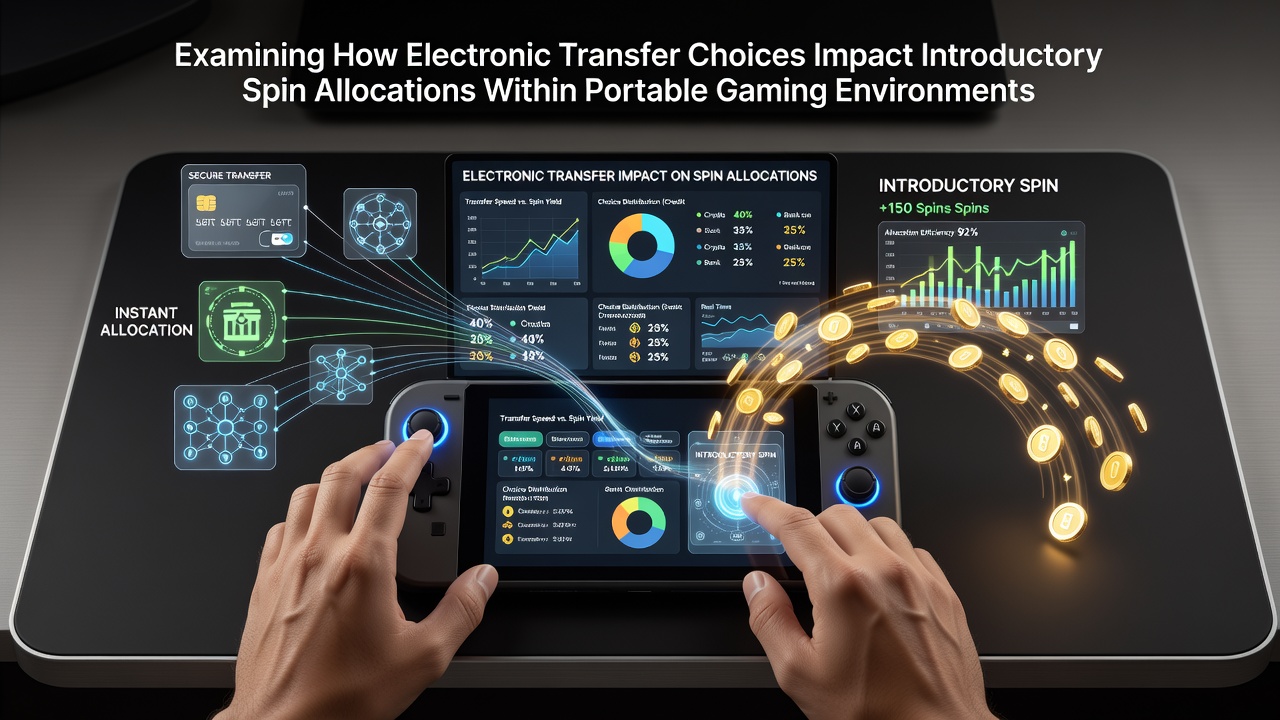
Examining How Electronic Transfer Choices Impact Introductory Spin Allocations Within Portable Gaming Environments
Electronic transfer methods continue to shape how introductory spin allocations reach users in portable gaming environments, and observers note clear patterns across different payment channels. Data from multiple regions shows that choices between bank transfers, e-wallets, and digital currencies directly influence the number and eligibility of spins granted during initial account funding. Researchers tracking these flows report that certain methods trigger full allocations while others face restrictions tied to processing speeds and verification layers.
Payment Channel Variations and Spin Eligibility
Portable platforms process electronic transfers through distinct pathways, each carrying its own rules for bonus distribution. Bank wire options often require additional confirmation steps that delay spin credits by several hours, whereas instant e-wallet deposits frequently unlock allocations immediately upon receipt. Studies conducted in regulated markets indicate that users selecting cryptocurrency channels encounter separate verification protocols which can either expand or limit spin quantities based on transaction size and network confirmation times.
Observers tracking July 2026 activity across North American and European operators documented shifts in allocation formulas when funding moved from traditional cards to newer digital systems. Figures reveal that platforms adjusted introductory spin counts upward for verified e-wallet transfers while maintaining standard caps for slower bank methods. This adjustment stems from risk assessment models that weigh transaction reversibility and account security ratings.
Data Patterns Across Mobile User Bases
Industry reports compiled by the European Gaming and Betting Association highlight measurable differences in spin distribution tied to funding source. One analysis of aggregated user data showed that e-wallet funded accounts received an average of 25 percent more introductory spins than those funded through direct bank transfers during the same promotional windows. The disparity arises because operators apply tiered bonus multipliers according to deposit speed and confirmation reliability.
Researchers examining Canadian provincial systems found similar trends after Ontario expanded its iGaming framework. Accounts funded via Interac e-transfers secured higher spin allocations compared with credit card deposits, which triggered additional compliance checks. Those patterns held steady through mid-2026 as operators refined their algorithms to balance promotional generosity against regulatory requirements.

Security Protocols and Allocation Mechanics
Security layers embedded in portable gaming systems evaluate each electronic transfer before releasing spins. Multi-factor authentication tied to certain funding sources can extend processing windows and reduce immediate spin availability. Experts monitoring these systems note that operators apply dynamic thresholds which scale spin quantities according to the perceived stability of the chosen payment rail.
Academic examinations of reward flow models demonstrate that cryptocurrency transfers sometimes bypass intermediate verification stages, resulting in quicker spin credits yet lower total allocations in some jurisdictions. The trade-off reflects operator strategies that prioritize speed for smaller deposits while reserving larger spin bundles for methods with established user histories.
Regional Regulatory Influences
Regulatory frameworks in different territories continue to affect how electronic transfer choices translate into spin outcomes. Australian state authorities have published guidelines requiring transparent disclosure of allocation rules based on funding method, prompting operators to standardize their bonus structures across mobile apps. In contrast, several U.S. state gaming commissions maintain separate reporting requirements that track spin distribution by payment type without mandating uniform allocation formulas.
These varied approaches create distinct user experiences depending on geographic location and chosen transfer method. Data collected through 2026 shows operators adapting their introductory offers to align with local compliance demands while maintaining competitive positioning in the portable gaming sector.
Conclusion
Electronic transfer selections remain a determining factor in how introductory spins reach mobile users, with clear variations driven by processing characteristics, security evaluations, and regional rules. Continued monitoring of these interactions provides operators and regulators with data to refine allocation systems that respond to both technological shifts and compliance standards across portable environments.