Charting Verification Pathways That Unlock Layered Reward Access Across Device-Synced Casino Networks
Devon Schmitz · Jun 15, 2026
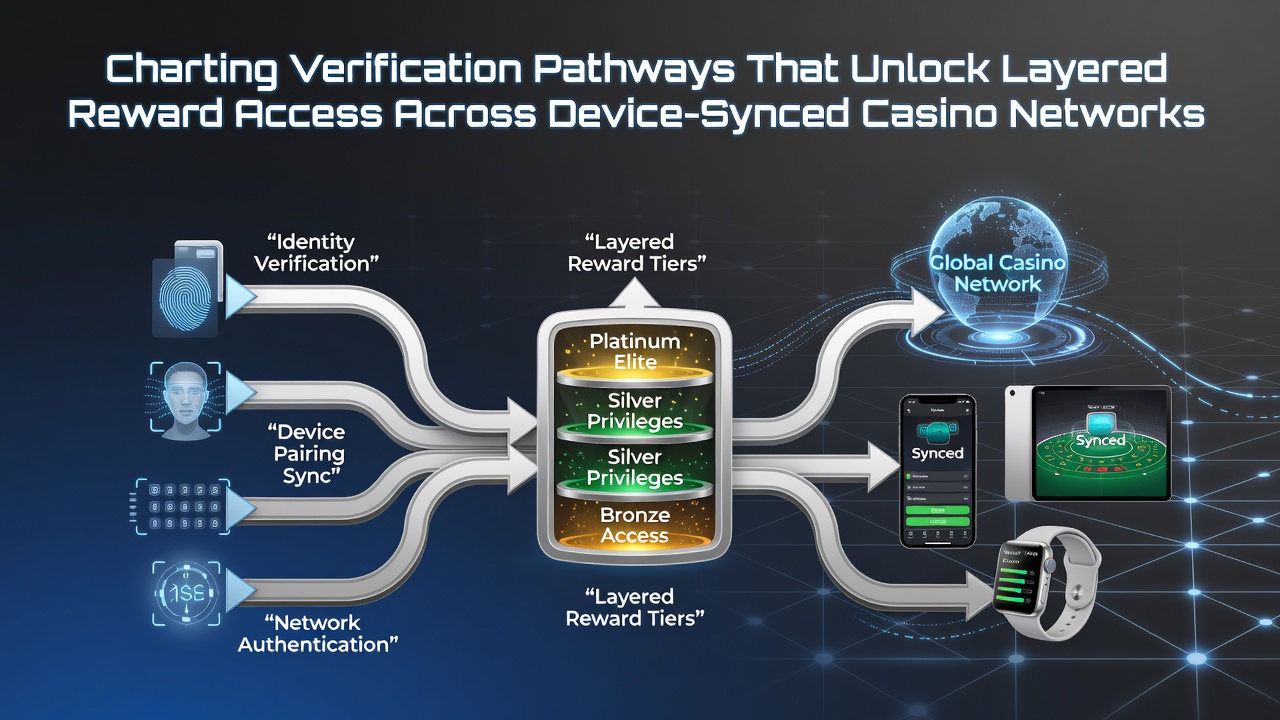
Charting Verification Pathways That Unlock Layered Reward Access Across Device-Synced Casino Networks
Device-synced casino networks rely on interconnected systems that allow players to move between mobile apps, desktop platforms, and tablets while maintaining consistent account data and reward eligibility. Verification pathways serve as the entry points that confirm player identity across these devices and determine which reward layers become available at each stage.
Operators implement multi-step authentication sequences that combine account registration details with device-specific signals such as IP history, hardware identifiers, and behavioral patterns. These sequences create a chain of confirmations that must align before higher reward tiers activate, and the process scales with the number of devices a player uses.
Core Components of Verification Pathways
Initial registration captures basic identity documents and links them to a primary device through one-time codes sent via SMS or email. Subsequent logins on additional devices trigger secondary checks that compare new hardware signatures against the original profile. When matches occur, the system grants access to the next reward layer without requiring full re-verification.
Biometric options including fingerprint scans and facial recognition add another verification tier on supported hardware. These methods reduce friction for returning players while maintaining security standards set by regulatory frameworks in multiple jurisdictions. Data from the New Jersey Division of Gaming Enforcement shows that platforms using layered device authentication report higher account retention rates during the first six months of play.
How Layered Rewards Align with Verification Stages
Reward structures in synced networks divide into progressive categories that unlock only after specific verification milestones pass. Entry-level rewards such as deposit matches activate after basic account validation, whereas advanced perks like personalized cashback rates and exclusive event access require full cross-device confirmation plus a minimum activity threshold.
Systems track cumulative verification strength through a scoring model that factors in the number of confirmed devices, recency of checks, and consistency of play patterns. Players who complete verification across three or more devices often reach higher reward categories faster than those limited to a single platform. Observers note that this scoring approach encourages consistent engagement across the network rather than isolated sessions on one device.
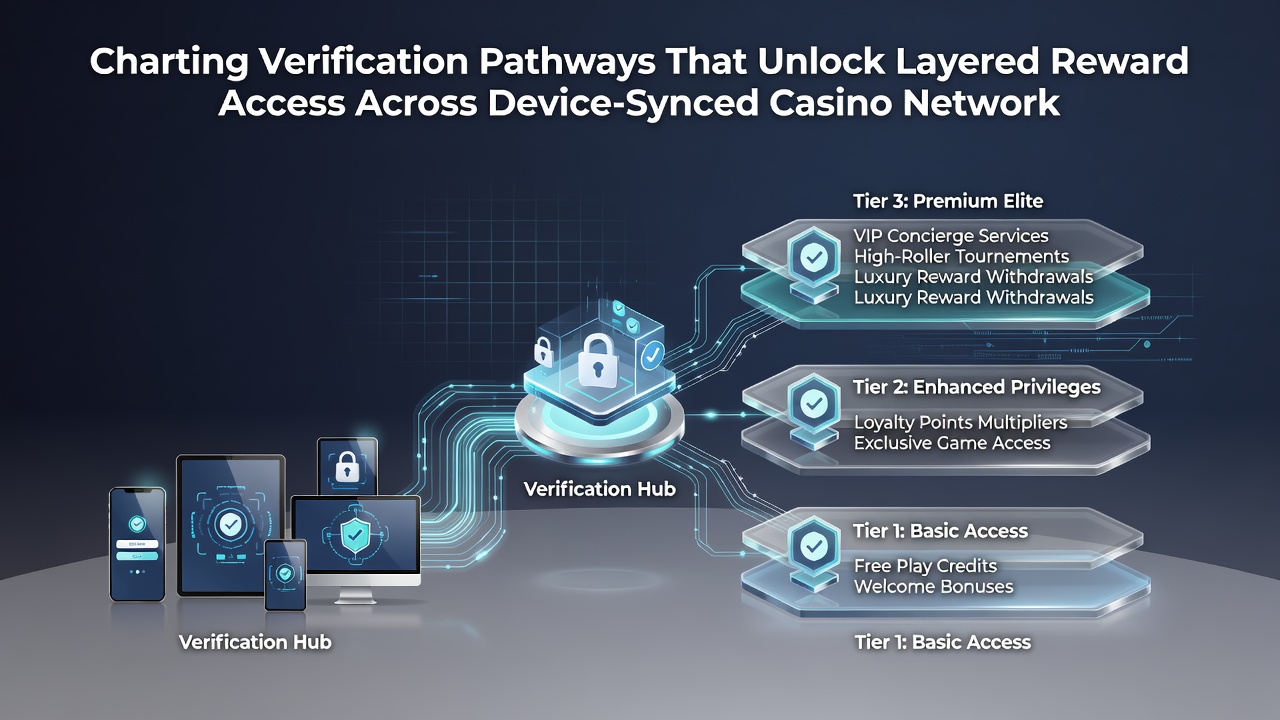
Regulatory and Technical Considerations in Mid-2026
By June 2026 several North American and European regulators updated guidelines around cross-device data sharing to address privacy concerns while preserving reward functionality. These updates require explicit player consent for each new device added to an account and mandate clear disclosure of how verification data influences reward eligibility.
Technical implementations now incorporate real-time risk scoring that adjusts verification depth based on transaction size and device location changes. Platforms that integrate these adaptive protocols report smoother reward progression for verified users and fewer interruptions when players switch between devices during active sessions. A report issued by the Victorian Commission for Gambling and Liquor Regulation highlights similar verification efficiencies in regulated markets that adopted comparable frameworks earlier.
Practical Examples of Pathway Implementation
One network operating across multiple states requires players to verify a second device within 30 days of the first registration to maintain access to weekly reward drops. Failure to complete this step caps the account at entry-level benefits until the additional verification occurs. Another operator uses geolocation cross-checks during verification to confirm that device activity aligns with approved gaming regions before unlocking premium reward categories.
Research from the University of Nevada, Reno gaming management program indicates that networks employing these staged verification methods experience fewer instances of account sharing and reduced chargeback rates compared with single-device verification models. The findings cover data collected through the end of 2025 and continue to inform system upgrades scheduled for later in 2026.
Conclusion
Verification pathways in device-synced casino networks function as structured sequences that confirm identity while controlling access to progressive reward layers. These pathways integrate registration data, device signals, and regulatory requirements to maintain consistency across platforms. As networks expand and regulators refine cross-device standards, the mechanisms that link verification steps to reward eligibility continue to evolve in measurable ways.