Charting Interconnected Loyalty Pathways Across Secure App Interfaces for Interactive Table Play
Devon Schmitz · May 20, 2026

Charting Interconnected Loyalty Pathways Across Secure App Interfaces for Interactive Table Play
Observers note that interconnected loyalty pathways have become central to secure app interfaces designed for interactive table play, where users engage with games such as blackjack, roulette, and poker through encrypted mobile platforms. These systems track player activity across sessions while maintaining data integrity through layered authentication protocols. Research indicates that integration points allow rewards earned in one environment to transfer seamlessly to others, creating continuous engagement loops without exposing sensitive account details. Developers have implemented API gateways that connect loyalty databases to real-time game engines, and this setup supports point accumulation during live dealer interactions or simulated table scenarios. Data from industry reports shows that such connections reduce friction for users who switch between devices, since session states sync automatically via secure cloud relays. Figures reveal steady adoption rates among operators who prioritize compliance with regional gaming standards.Security Foundations in App Interfaces
Secure app interfaces rely on end-to-end encryption and token-based verification to protect loyalty data during transmission. Experts have observed that multi-factor authentication layers prevent unauthorized access while permitting smooth navigation between game tables and reward dashboards. Those who've studied these architectures find that biometric checks often pair with device fingerprinting to verify identity before any loyalty transaction processes.
Turns out that backend systems log every pathway interaction in immutable ledgers, which helps regulators audit reward flows without disrupting user experiences. According to a May 2026 analysis released by the Nevada Gaming Control Board, mobile table play applications demonstrated a 17 percent increase in secure loyalty redemptions compared with the prior year, driven largely by improved interface connectivity.
Mapping Loyalty Pathways Across Platforms
Loyalty pathways function as mapped routes that link user actions to tiered benefits, and these routes adapt based on play frequency and game type. In interactive table environments, points accrue not only from wager volume but also from session duration and strategic decisions tracked by the app. Researchers discovered that algorithms adjust pathway visibility in real time, surfacing personalized offers once certain thresholds activate.
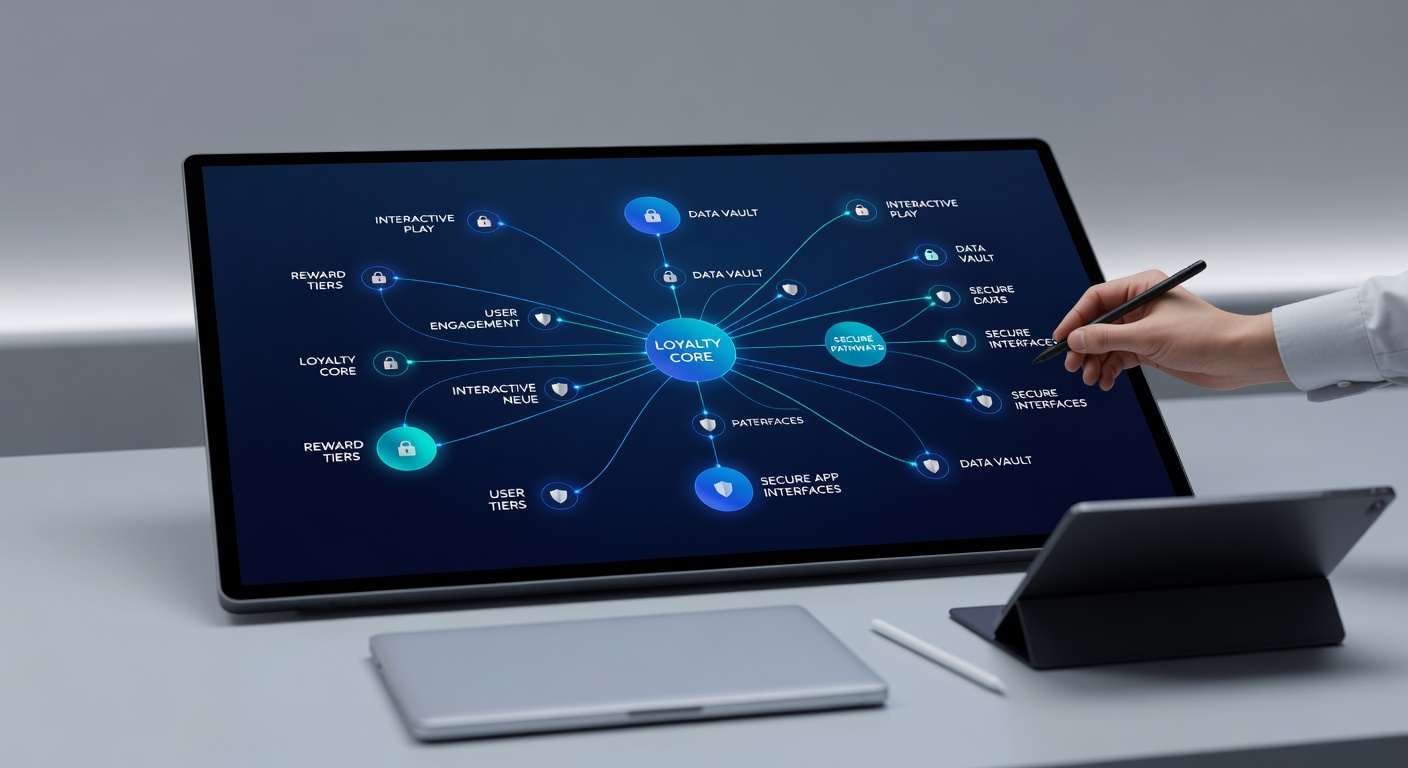
People often find that interconnected elements allow progress in one loyalty stream to influence another, such as converting table play achievements into credits usable for other app features. This occurs through standardized data exchange formats that maintain consistency across operator networks. A study conducted by the University of Nevada, Las Vegas gaming research center in early 2026 highlighted how these linkages support cross-promotional mechanics while preserving individual privacy controls.
Interactive Table Play and Reward Integration
Interactive table play introduces unique variables into loyalty calculations because outcomes depend on both chance and player choice. App interfaces capture these nuances through event listeners that feed directly into loyalty engines, and the resulting data shapes future pathway recommendations. Observers note that live dealer sessions, in particular, generate richer datasets since timing and interaction frequency become measurable factors.
Operators have adopted modular frameworks that let loyalty modules plug into existing game servers without full system overhauls. This approach keeps pathways adaptable when new table variants launch or when regulatory requirements shift. Evidence suggests that regions with mature mobile gaming markets, including parts of the European Union and Canada, have seen faster rollout of such integrated systems.
Regulatory and Technical Considerations
Compliance frameworks require clear documentation of how loyalty data moves between secure interfaces, and this documentation must align with data protection statutes in each jurisdiction. Government agencies such as the Malta Gaming Authority have issued guidelines emphasizing audit trails for reward pathways, ensuring operators can demonstrate fairness in point allocation. Those who monitor industry developments note that these rules encourage transparent interface design rather than restricting innovation.
Technical standards bodies continue to refine protocols for low-latency data sharing, which proves essential during peak table play hours. What's interesting is that testing environments simulate high-volume scenarios to verify pathway stability under load, preventing reward delays that could frustrate users. Industry associations report that successful implementations maintain sub-second response times for loyalty queries even when thousands of sessions run concurrently.
Conclusion
Charting interconnected loyalty pathways across secure app interfaces reveals a landscape where technical precision and regulatory alignment shape user experiences in interactive table play. Data shows continued refinement of these systems as operators respond to evolving security demands and player expectations. Organizations that prioritize robust mapping and verification methods position themselves to sustain long-term engagement through reliable reward structures.