Charting Encrypted Transfer Networks That Shape Custom Reel Feature Unlocks in Cross-Platform Verified Play Environments
Parker Carter · Aug 19, 2026
Charting Encrypted Transfer Networks That Shape Custom Reel Feature Unlocks in Cross-Platform Verified Play Environments
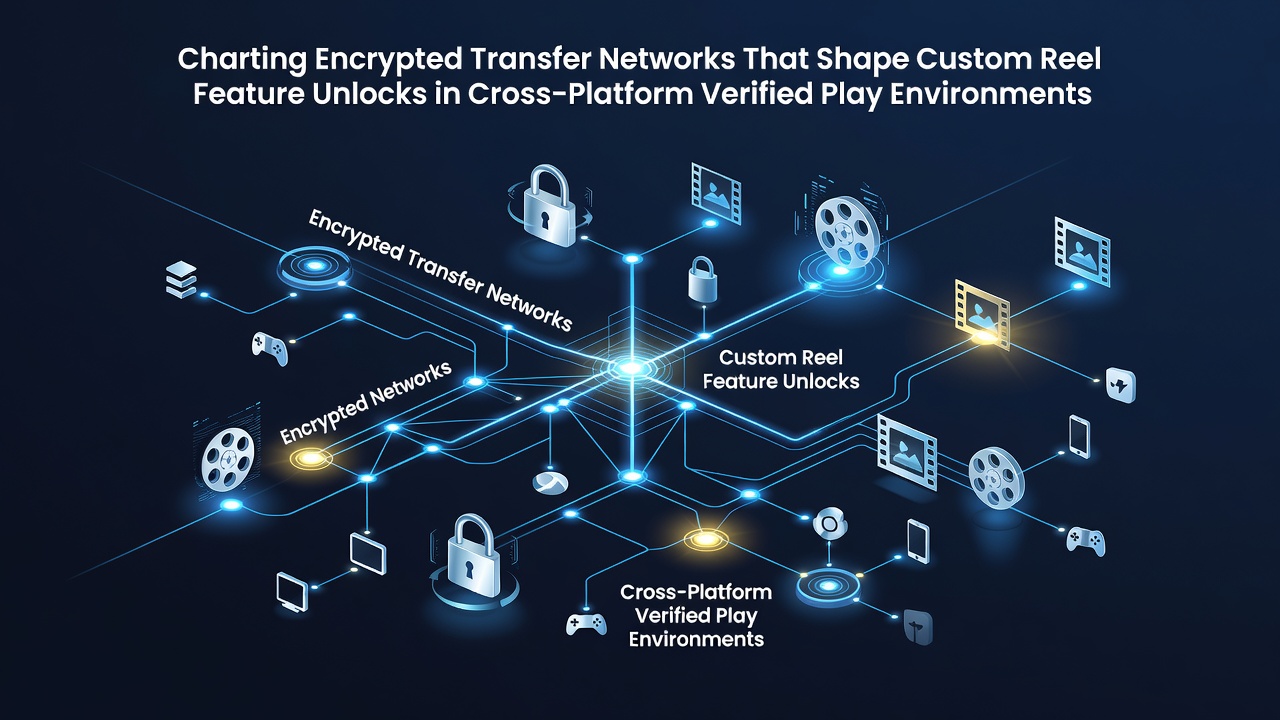
Encrypted transfer networks operate as the backbone for custom reel feature unlocks in verified play environments across multiple platforms, where data packets move through secure channels to activate personalized slot mechanics once verification protocols confirm user eligibility. These networks rely on layered encryption standards that protect transaction details while enabling seamless feature delivery between mobile applications, desktop clients, and console interfaces. Industry reports indicate that such systems processed increasing volumes of verified interactions throughout 2025 and into the first half of 2026, with particular emphasis on cross-device synchronization that maintains consistent reel configurations regardless of access point.
Core Components of Encrypted Transfer Mechanisms
Verification servers authenticate each transfer request through multi-factor checks that include device identifiers, account history, and session tokens before releasing encrypted payloads containing reel customization data. Once validated, the network routes the payload via end-to-end encrypted tunnels that prevent interception during transit between the central gaming server and the player's chosen platform. Observers note that these tunnels often incorporate rotating keys updated at fixed intervals, a practice that aligns with security guidelines issued by regulatory bodies such as the Nevada Gaming Control Board. Data packets arrive at the client device already formatted for immediate integration into the reel engine, allowing features like expanding wild symbols or bonus multipliers to activate without additional user input.
Cross-platform compatibility depends on standardized data schemas that translate the same unlock parameters into formats readable by different operating systems. Researchers at several academic institutions have documented how these schemas reduce latency during transfers, enabling near-instant feature deployment even when a player switches from a smartphone session to a desktop browser. In August 2026, several major platform operators began testing updated schema versions that further compress payload sizes while preserving full encryption integrity.
Influence on Custom Reel Configurations
Custom reel features emerge directly from the content embedded in each encrypted transfer, where parameters define symbol distributions, payline adjustments, and trigger conditions tailored to the verified account profile. The network does not generate these parameters in isolation; instead, it pulls pre-approved configurations stored in segregated databases that separate general game logic from individualized reward structures. This separation ensures that feature unlocks remain consistent across devices while complying with jurisdictional rules that govern how incentives distribute within regulated environments.
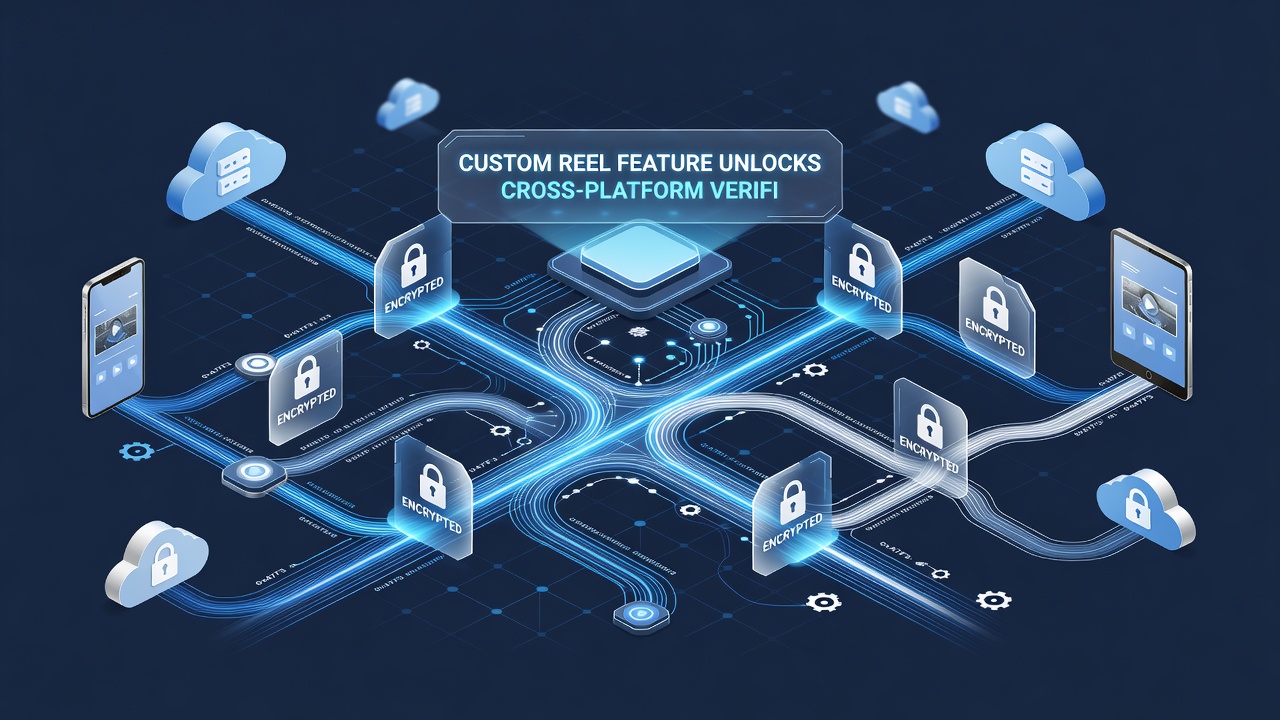
Studies conducted by independent research groups show that the timing of these transfers correlates with player engagement metrics tracked across verified sessions. When a transfer completes successfully, the reel engine updates its internal state to reflect the new configuration, often within milliseconds of payload receipt. Those who monitor system performance report that failed transfers trigger automatic retry sequences that maintain encryption strength without exposing intermediate data states. Such retry logic has become standard in environments where players frequently alternate between platforms during single play periods.
Security Protocols and Platform Integration
Security protocols governing these networks combine asymmetric encryption for initial handshakes with symmetric methods for bulk data movement, a dual approach that balances speed and protection. Platform operators integrate these protocols through application programming interfaces that enforce verification at every stage of the transfer cycle. According to findings published by the Australian Communications and Media Authority, operators adopting unified API frameworks experienced measurable reductions in transfer-related discrepancies during cross-platform testing phases completed earlier in 2026. The protocols also embed checksums that allow receiving devices to confirm payload integrity before applying reel modifications, thereby preventing partial or corrupted feature activations.
Integration extends beyond basic connectivity to include logging mechanisms that record each transfer event with anonymized metadata for audit purposes. Regulatory frameworks in multiple regions require retention of these logs for specified periods, enabling retrospective analysis of network behavior without compromising individual account privacy. Operators have observed that comprehensive logging supports faster identification of anomalies, such as unexpected delays or repeated verification failures, which can then be addressed through targeted protocol adjustments.
Conclusion
Encrypted transfer networks continue to define how custom reel feature unlocks function within cross-platform verified play environments by providing the secure pathways necessary for consistent and compliant delivery. Technical refinements implemented through 2026 demonstrate ongoing adaptation to evolving platform requirements and regulatory expectations. Continued documentation of these networks offers insight into the operational realities that support verified play across diverse device ecosystems.