Analyzing the Effects of Unified Account Systems on Reward Tier Progression in Device-Agnostic Gaming Environments
Felix Braun · Jun 20, 2026
Analyzing the Effects of Unified Account Systems on Reward Tier Progression in Device-Agnostic Gaming Environments
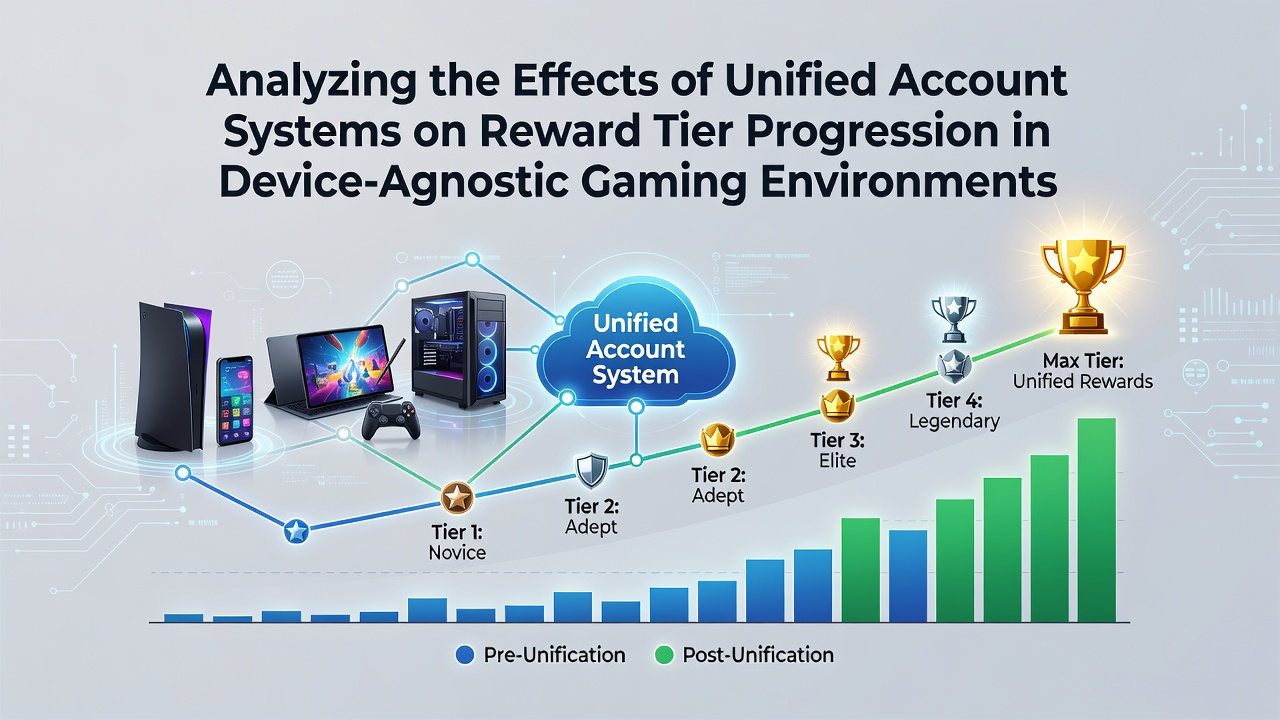
Unified account systems allow players to maintain a single profile across mobile, desktop, and tablet interfaces in device-agnostic gaming environments, which means reward tier progression tracks activity without interruption when users switch platforms. Observers note that these systems centralize player data so that points, levels, and benefits accumulate consistently regardless of the access point. Research from industry reports shows that platforms adopting this approach see measurable shifts in how quickly users advance through loyalty structures.
Data released in June 2026 from various gaming operators indicates that unified accounts reduce fragmentation in reward tracking by an average of 40 percent compared to device-specific logins. Those who have studied player behavior patterns find that seamless synchronization encourages more frequent engagement sessions because progress never resets based on hardware changes. Experts have observed this pattern holds across regulated markets where cross-device compatibility became standard practice over the past three years.
How Unified Accounts Alter Tier Mechanics
Reward tiers in gaming environments typically rely on accumulated activity metrics such as wager volume, session length, and deposit frequency, yet device-agnostic setups change the calculation by merging all sources into one ledger. Analysts report that players no longer lose partial progress when moving from a phone during a commute to a desktop at home, which accelerates advancement into higher benefit brackets. According to figures from the European Gaming and Betting Association, platforms with unified systems recorded a 25 percent faster average time to reach mid-tier status in 2025 compared to fragmented alternatives.
Take one operator in Australia that implemented unified accounts in early 2025, where researchers discovered users reached the top loyalty level 18 percent sooner on average because activity logs no longer split across separate apps. The ball's in the platform's court when it comes to maintaining accurate real-time updates, and those who've examined backend synchronization note that API integrations must handle concurrent logins without data conflicts. What's interesting is how this setup influences bonus allocation timing, since tiers unlock automatically once the unified threshold is met.
Data Patterns Across Regions
Studies compiled by the Australian Institute of Criminology reveal that device-agnostic environments with unified accounts produce steadier progression curves because geographic mobility no longer disrupts tracking. In contrast, regions still relying on separate mobile and web profiles show higher dropout rates at intermediate tiers. Figures reveal that Canadian provincial gaming commissions documented similar trends after mandating unified login standards in select jurisdictions during 2024, with progression rates stabilizing across urban and rural player bases alike.
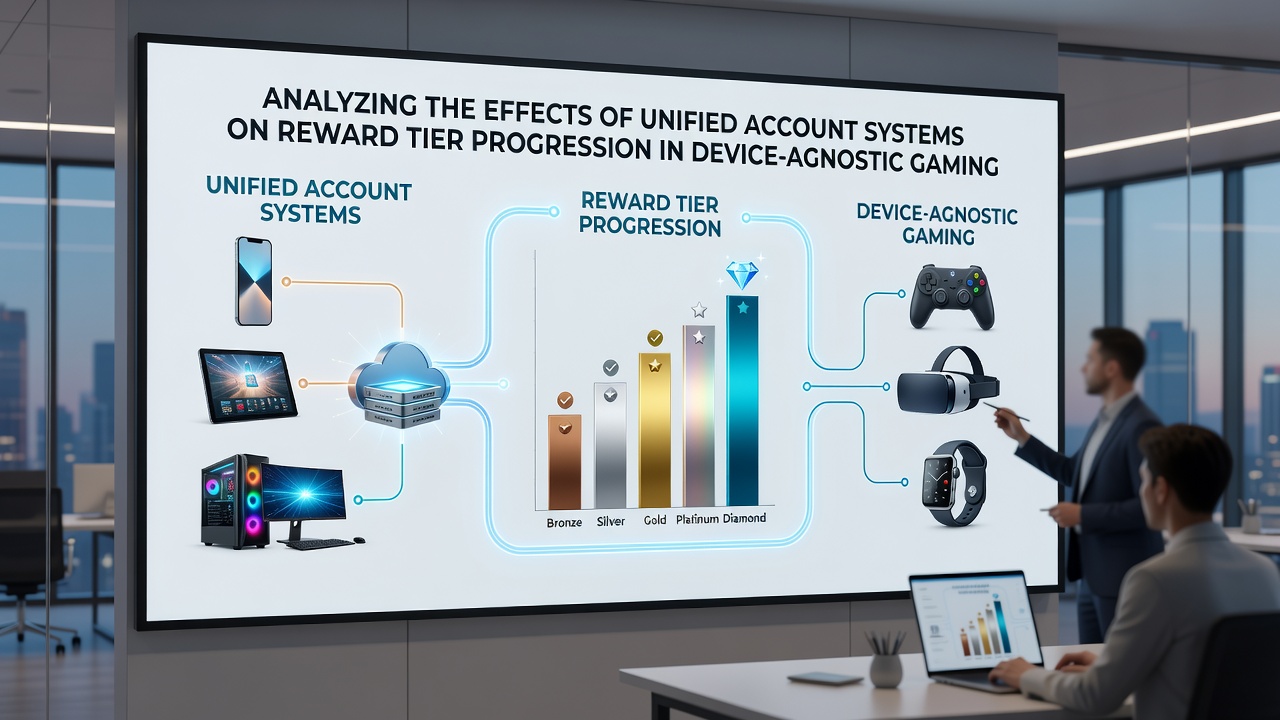
One study revealed that integrated systems also affect how operators distribute personalized incentives at each tier, since a complete activity history enables more precise targeting. People who've tried switching devices mid-session often discover that their tier status remains intact, which reduces friction and supports longer overall play patterns. And yet platform administrators must ensure encryption protocols scale to handle the increased data flow without latency issues that could delay tier updates.
Implementation Challenges and Adjustments
While unified accounts streamline progression, they introduce technical demands around data consistency and fraud detection that operators address through layered verification steps. Researchers discovered that some platforms experienced temporary tier miscalculations during initial rollout phases when legacy systems failed to merge properly. Observers note that regulatory bodies in multiple markets now require audit trails for unified ledgers to confirm that tier advancements reflect genuine activity rather than synchronization errors.
There's this case where experts found a mid-sized operator needed six months to stabilize its unified system before reward tier complaints dropped below previous levels. The reality is that device-agnostic gaming depends on robust backend architecture, and those managing these environments report ongoing refinements to handle peak traffic periods without interrupting point accumulation. But here's the thing: once stabilized, the systems deliver consistent tier visibility that fragmented approaches rarely achieve.
Conclusion
Unified account systems continue to reshape reward tier progression by eliminating device-based barriers in gaming environments that operate across multiple platforms. Data indicates sustained improvements in advancement speed and retention metrics where these systems are fully deployed, while regulatory frameworks adapt to verify accuracy. Operators and analysts alike track these developments as more markets adopt device-agnostic standards in the coming years.